Work-life balance is not simply leaving the office on time; it is about designing a career that supports long-term well-being. In a city where family time is precious and competition is fierce, boundaries protect both energy and relationships. Avoiding late-night emails, for example, is becoming a common practice in firms that recognize the value of mental health.
- Over 60% of Hong Kong professionals report elevated stress levels due to work-related factors (AXA Mind Health Report 2025).
- Global research shows that rested employees are more productive, engaged, and resilient, with better decision-making and lower turnover.
- Employer brand studies highlight that Gen Z talent values supportive cultures and balance as key motivators for retention.
Health is another cornerstone of sustainable success. Research consistently shows that even 30 minutes of daily exercise improves focus and reduces stress. Morning runs, yoga, or simply walking to work can become powerful rituals that sustain productivity. Vacations, too, are not indulgences but investments in resilience. Employees who take regular leave report higher satisfaction and lower burnout, reinforcing the idea that rest fuels performance.
The Pomodoro Technique, created by Francesco Cirillo and detailed in his book The Pomodoro Technique, is a simple yet powerful system for managing energy and attention. It breaks work into 25‑minute focus intervals followed by short breaks, helping professionals resist distractions and maintain steady productivity. Cirillo’s research shows that this rhythm not only improves concentration but also helps people estimate tasks more realistically, reducing stress from overcommitment. For younger professionals unfamiliar with the method, it offers a structured yet flexible way to stay productive without draining themselves.
- Set a timer for 25 minutes and focus on one task without distractions.
- Take a 5‑minute break to stretch, breathe, or grab water.
- Repeat the cycle four times, then enjoy a longer 15–30 minute break.
💡 Tip: Track your sessions to see how much focused work you achieve each day.
👉 Want to try it in real time? Join a “Study With Me 📚 Pomodoro” livestream, where you can follow along with 25‑minute focus blocks, 5‑minute breaks, and a longer rest after four cycles.
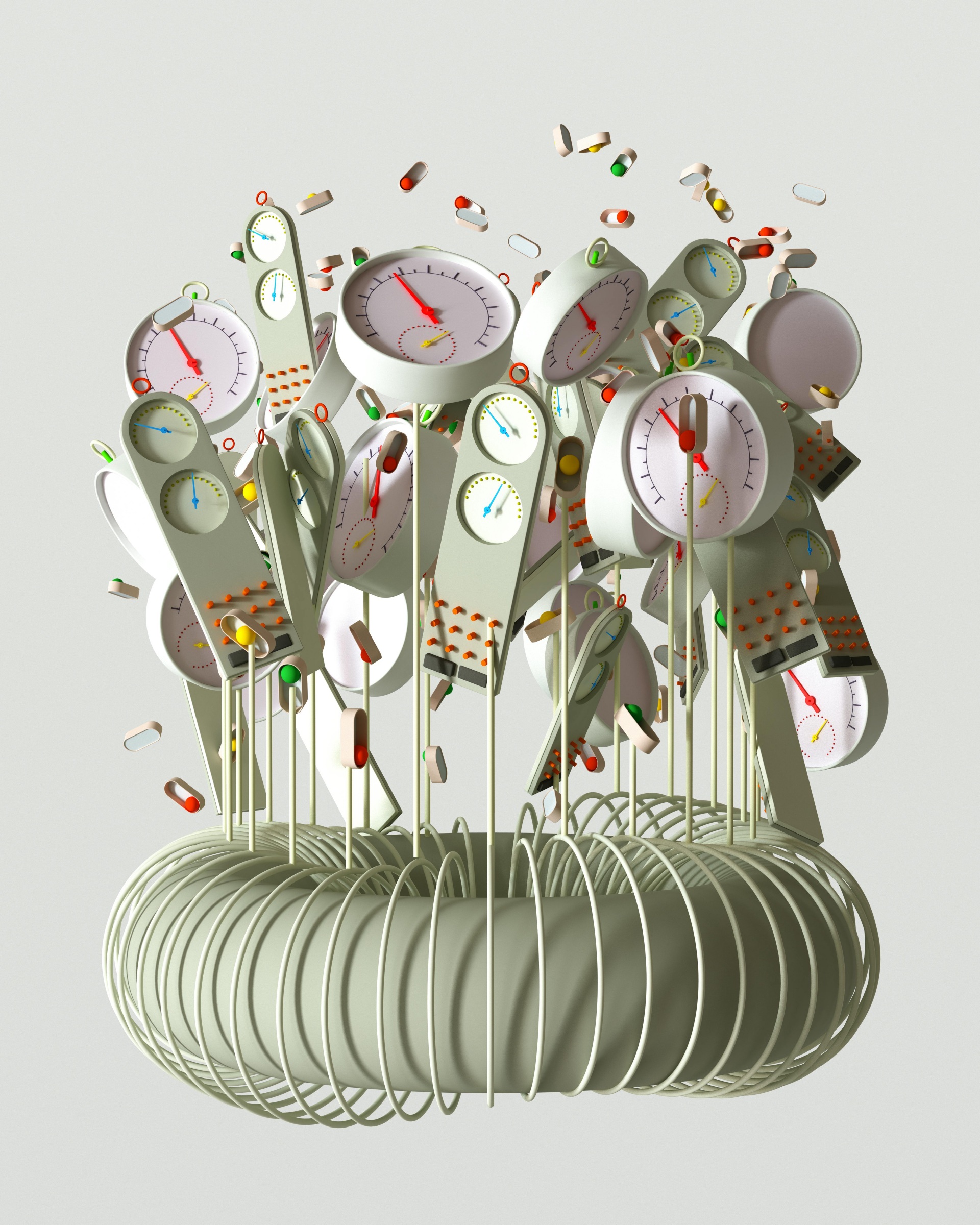
Beyond time management, balance is also built through small, everyday habits that reinforce energy and resilience. These shifts may seem simple, but together they create the foundation for sustainable success.
- Morning exercise sharpens focus and reduces stress.
- Short breaks, like Pomodoro cycles, sustain energy.
- Annual leave used for family or solo trips strengthens resilience.
- Digital boundaries, such as disconnecting after 7pm, protect mental health.
Balance is not achieved in theory, but in daily choices. Professionals who thrive long term build routines that protect their energy and create space for growth. Here are ways to put the idea into practice:
Set a clear cut‑off time for work communication. For example, decide that after 7pm you will not check or respond to emails. This simple boundary helps preserve family time, reduce stress, and maintain mental clarity, ensuring that work does not spill endlessly into personal life.
Schedule short, non-negotiable wellness breaks. A 30‑minute morning run or yoga session can sharpen focus and reduce stress throughout the day.
EC² Invest shows how AI-driven financial analysis can take hours off routine tasks. By automating the repetitive, you reclaim evenings for rest or personal projects. Balance is not about doing less, but about working smarter.
Use annual leave for real downtime. Whether it’s a family trip or a solo recharge, vacations are proven to reduce burnout and improve long-term job satisfaction.
Constant fatigue, irritability, or declining performance are signals to pause. Sustainable success means listening to your body before burnout sets in.
Work-life balance is not a luxury, it is a career strategy. By setting boundaries, prioritizing health, and using supportive tools, you can grow without losing yourselves. Sustainable success is built step by step: one boundary, one habit, one choice at a time.



.png&w=1920&q=75&dpl=dpl_A6FCkC6wc7kYYkoMRkY9Moe5AoHX)