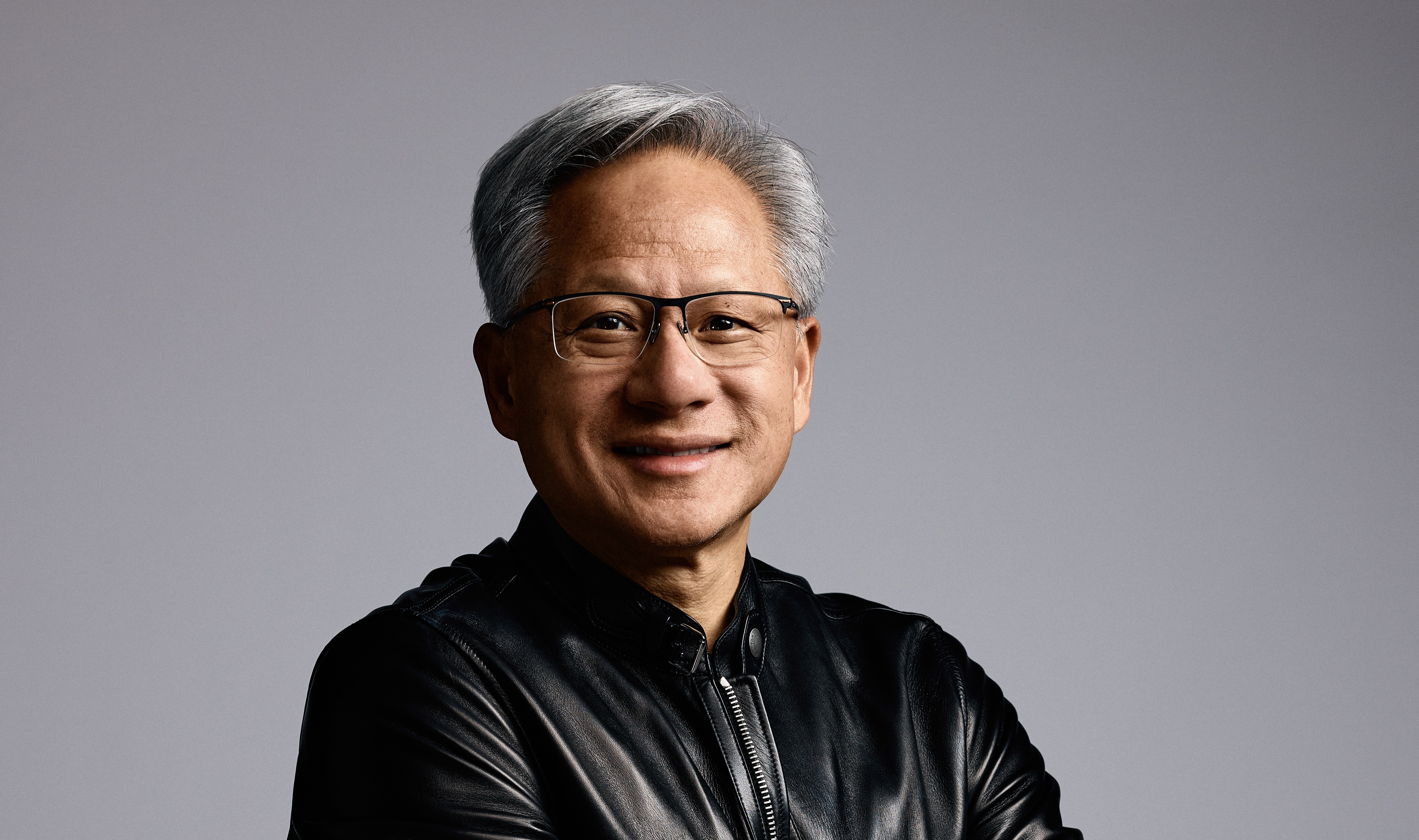
Born Jen-Hsun Huang in Tainan, Taiwan, in 1963, Jensen Huang's early life was marked by frequent relocation and the pursuit of the "American Dream" by his parents. His family moved to Thailand before he and his older brother were sent to the United States at age nine to live with an uncle.
They were eventually enrolled at the Oneida Baptist Institute in Kentucky, where Huang, a young immigrant who barely spoke English, experienced a period of struggle and resilience. He reportedly cleaned toilets as part of his duties and learned to play table tennis, which he excelled at. A formative experience included teaching his older, illiterate roommate how to read in exchange for being taught how to bench press.
Huang credits his mother as his leadership icon. To prepare her sons for America, his mother, who did not speak English, taught them the language daily by picking 10 words from the dictionary. Huang cites this early lesson in persistent, resourceful effort as the foundation for his and Nvidia's "How hard can it be" approach to overcoming obstacles.
The family later reunited and settled in Oregon, where Huang attended Aloha High School, graduating at 16. He went on to earn a bachelor's degree in electrical engineering from Oregon State University and a master's from Stanford University, which he says influenced his perspective on innovation and entrepreneurship. After working at LSI Logic and Advanced Micro Devices, he co-founded Nvidia with Chris Malachowsky and Curtis Priem in 1993 at the age of 30.
Huang’s leadership is rooted in first principles, radical transparency, and an unflinching demand for personal growth. He operates with a unique, highly decentralized structure, reportedly maintaining around 60 direct reports—a management style that emphasizes "co-creation". He believes that strategic alignment comes from shared reasoning, stating,
Transparency. I reason in front of everybody about what we need to do... We got to the answer together.
His core principles include the necessity to learn continuously and to be direct in feedback. This demanding environment is captured in his most famous, and jarring, quote:
I very seldom fire people, I'd rather torture them to greatness.
This "torture" is not cruelty, but a sustained investment and relentless push to improve, based on the belief that meaningful progress and breakthroughs arise from discomfort and persistent effort.
Huang's most defining achievement has been transforming Nvidia from a dominant PC graphics company into the computational backbone of artificial intelligence. This pivot was a massive, multi-decade bet on the synergy between accelerated computing and AI.
He views the present moment as a watershed. "The age of AI has started. The whole world is reset. You are at the starting lines with everyone else,” he has declared. He often frames the current moment as technology’s "iPhone moment of AI," signaling mass adoption and a complete reinvention of industries. Under his direction, Nvidia's GPU and software ecosystem has become the mandatory platform for almost every major AI initiative globally, from research labs to cloud service providers. His strategy is clear:
The best way to predict the future is to invent it.
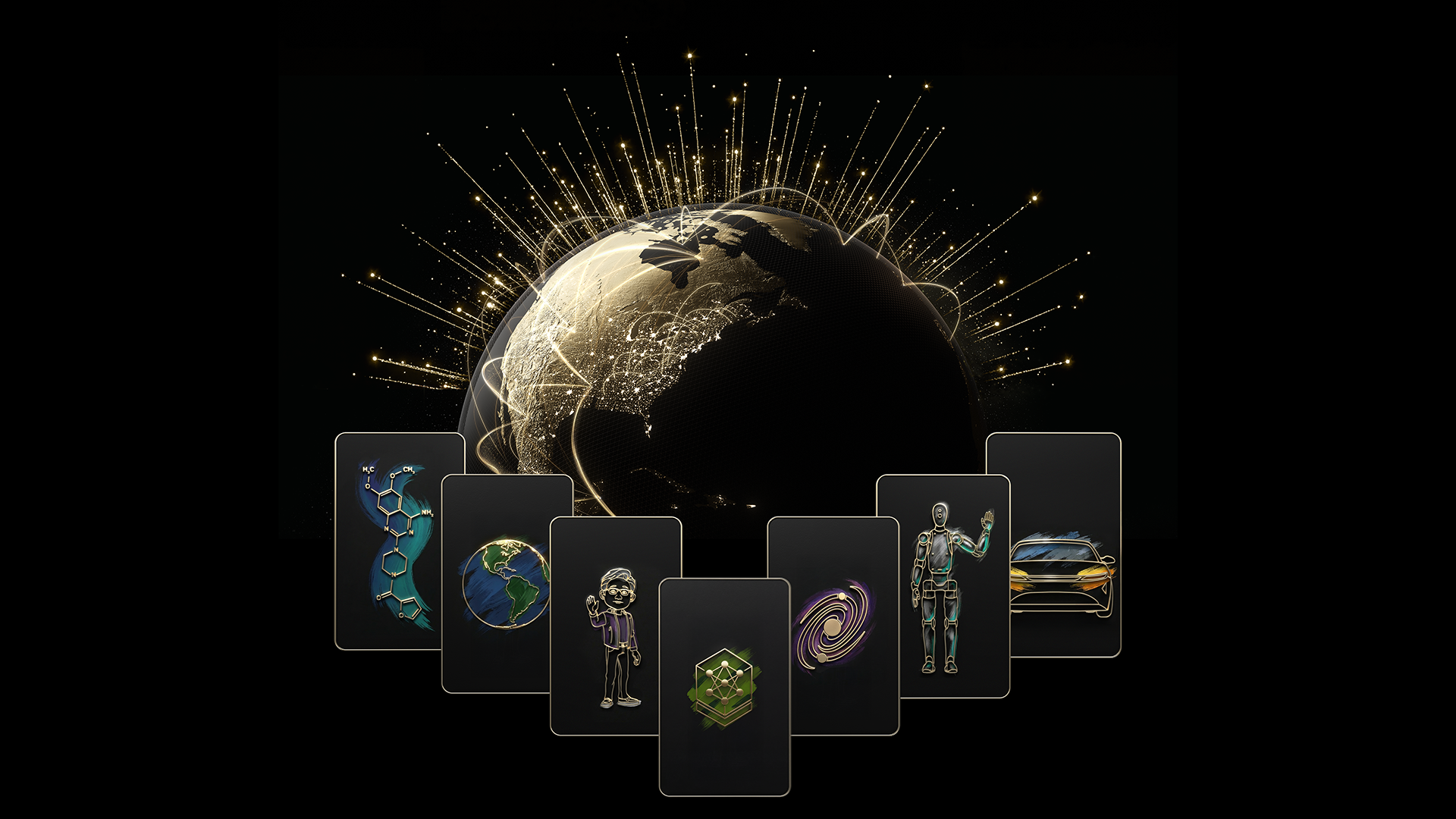
Huang's 2026 pronouncements frame the AI evolution not just as a technological advancement, but as a full-scale, multi-layered platform and infrastructure transformation.
- He continues to view the present as a "platform shift," similar to the PC, internet, and mobile cloud eras, with the key difference that AI can process and act on unstructured information.
- This shift has already started "the largest infrastructure build-out in human history," which will require trillions of dollars in investment across the global economy.
- He described AI as a "five-layer cake" that must scale together: energy, computer chips and computing infrastructure, cloud services, the AI models, and the application layer.
- A core quote encapsulating this vision is: "We need to make sure that the average pensioner, the average saver, is a part of [AI's] growth. If they're just watching it from the sidelines, they're going to feel left out".
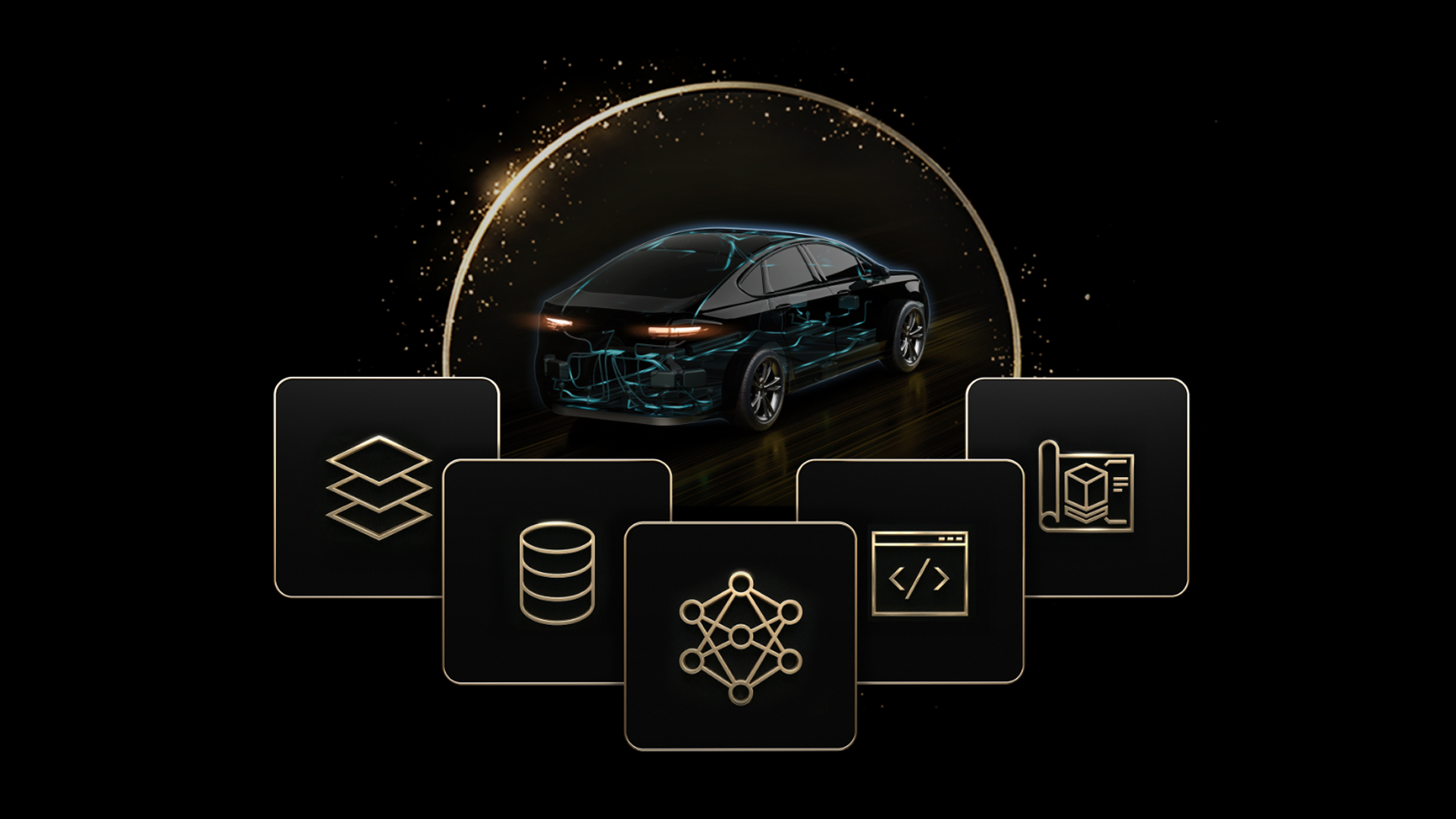
- Huang stated at CES 2026 that "the computer industry is being reinvented".
- The company is pushing heavily into inference (the real-time side of AI) and has launched new processors in "full production" that deliver "five times the artificial intelligence computing" for chatbots.
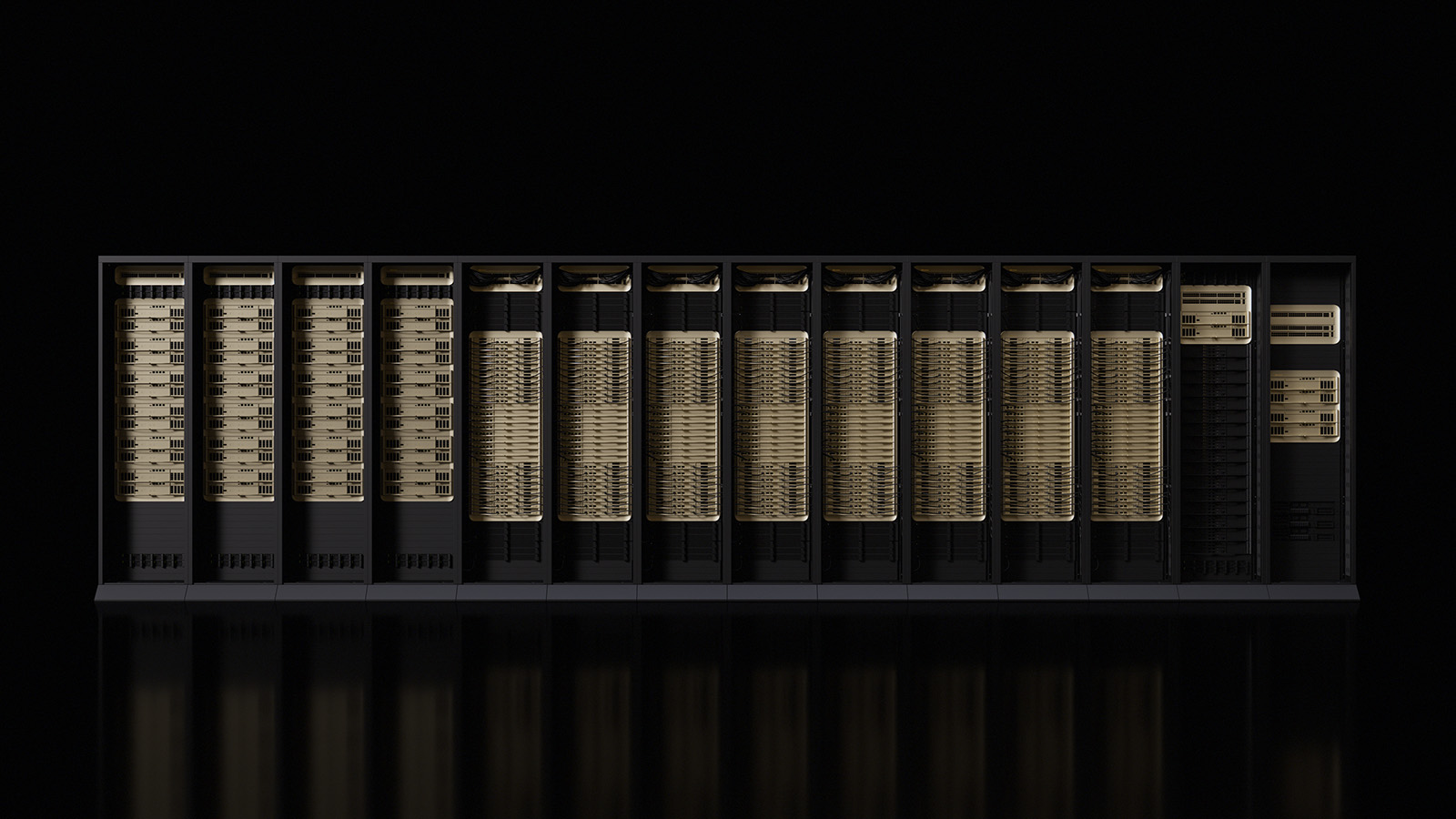
- The Rubin platform was outlined as a key roadmap pillar designed to scale from individual servers to larger configurations.
- Nvidia is moving beyond processors into autonomous systems, introducing Alpamayo, an AI model for autonomous vehicles. Huang stressed the importance of trust by open-sourcing the model and the data used to train it.
- He continues to emphasize the need for all nations to participate: “Build your own AI, take advantage of your fundamental natural resource, which is your language and culture”.
- Addressing concerns about job losses, he argued that AI would automate tasks (such as charting and scanning in healthcare), making professionals like radiologists and nurses more productive, thus enhancing their core purpose of caring for people.
- He concluded that learning to work with AI, including prompting, supervising, and evaluating AI systems, will soon be a fundamental skill across all industries.
Huang places ultimate faith in action over words, holding that true corporate strategy is revealed not in presentations, but in the collective work of the team. “Strategy is not words. Strategy is action. So if the company has a set of strategies, but people's actions are not that, then they're obviously not executing the strategy. The strategy, as it turns out, isn't what I say, it's what they do,” he notes. This philosophy reinforces the high-pressure, intensely focused culture at Nvidia, where employees are expected to execute quickly and confront problems head-on. He believes that true leadership is ultimately about empowering people to do their "life's work".
Further Reading: EC² Invest Research
This executive profile forms part of EC² Invest’s broader research coverage on Nvidia. For a deeper analysis of the company’s long‑term strategy, AI platform positioning, and its role at the center of the global accelerated‑computing build‑out, please refer to EC² Invest’s full research report:
→ Nvidia


 Leadership Philosophy: Confronting the Impossible
 Strategic Vision and Key Milestones