The Chinese Horoscope, with its 12 animal signs and five deep elements, offers one of the oldest frameworks for understanding these systems. It’s not about predicting your luck—it’s about revealing your decision DNA. Are you wired to leap or to look? To feel or to calculate?
Whether you're navigating a volatile stock market, choosing a life partner, or just deciding where to eat dinner tonight, your sign influences the lens. And once you see the lens, you can choose to look through it—or around it.
Let's move beyond the animal and look at the element. In Chinese astrology, your sign carries an inner element that defines your energy. These five profiles cut across all walks of life: from the CEO to the freelancer, the parent to the entrepreneur. Recognizing your element is the first step toward making choices with clarity instead of autopilot.
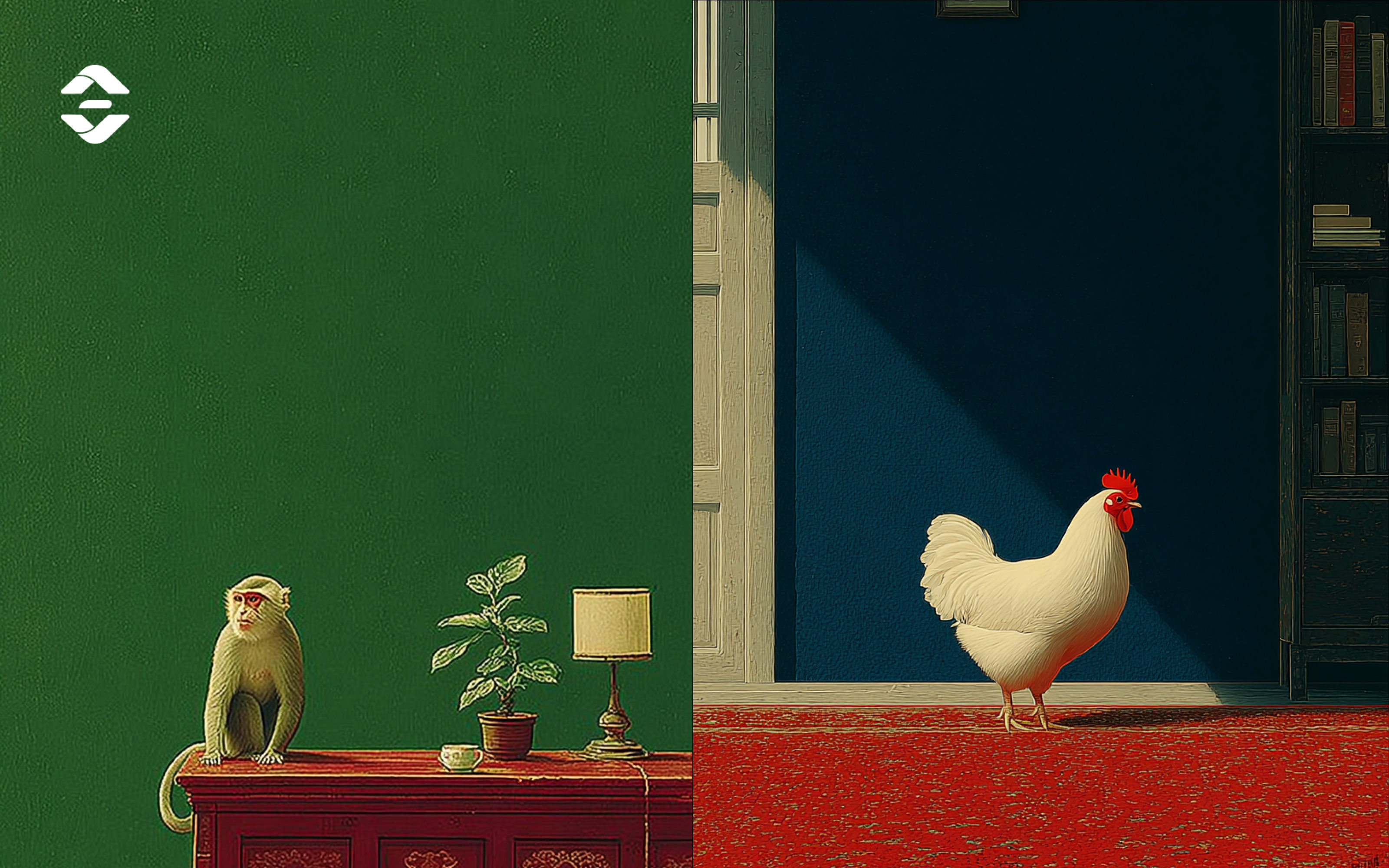
You value structure. You see the world as a system to be optimized. Decisions are puzzles to be solved with data.
- In daily life: You have a budget for your budget. Your wardrobe is curated. You give advice that is brutally honest because it's fact-based.
- The upside: You are ruthlessly efficient with your money. You cut losses quickly. You don't get emotional about sunk costs.
- The blind spot: You can be rigid. You might miss the human element—the story behind a company, the nuance in a relationship.
- The bias: Confirmation bias. You seek data that supports your logic and ignore the "soft" signals.
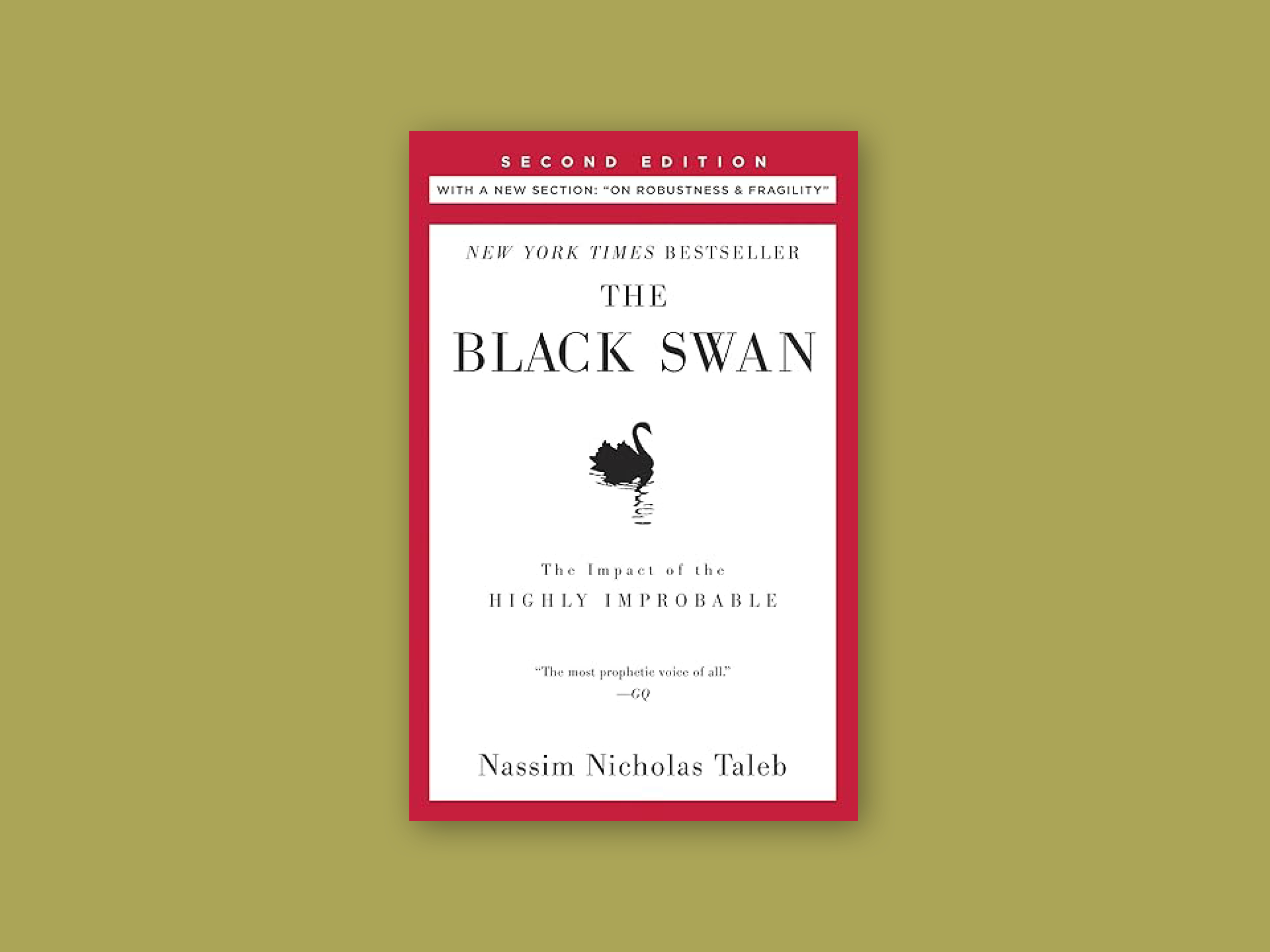
- The virus: “The Black Swan” by Nassim Taleb is recommended for Metal types. The book argues that history isn't predictable or linear-it's shaped by rare, unexpected shocks that no spreadsheet can forecast. For people who rely heavily on models and systems, it's a wakeup call: your perfect plan won't always account for the unpredictable. Reading it helps you stay structured, but also humble enough to leave room for surprises.
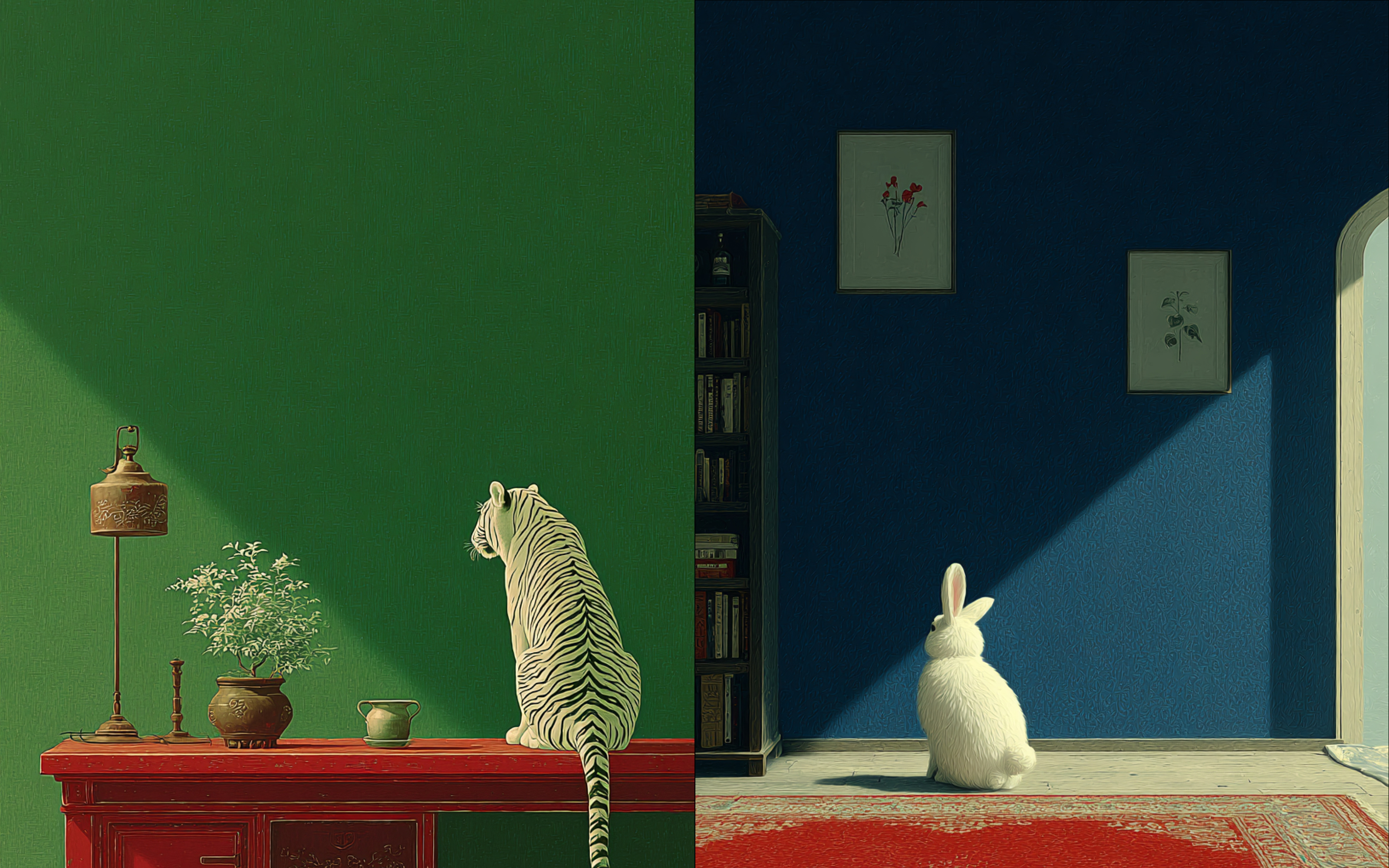
You grow and expand. You see the horizon and want to conquer it—ethically. For you, a decision isn't just about now; it's about planting a tree whose shade you may never sit in.
- In daily life: You're the one starting the community garden, proposing the ambitious project at work, or planning the family reunion two years in advance. You lead by rallying people around a future they can't yet see.
- The upside: You think in decades, not days. You invest in potential and fundamentals, often getting in on the ground floor of movements or companies before they trend.
- The blind spot: You can overextend. In your quest to grow, you might take on too much debt, stretch resources too thin, or push a good thing past its peak.
- The bias: The optimism bias. You genuinely believe everything will work out for the best because you intend to make it so, sometimes ignoring hard data that suggests otherwise.
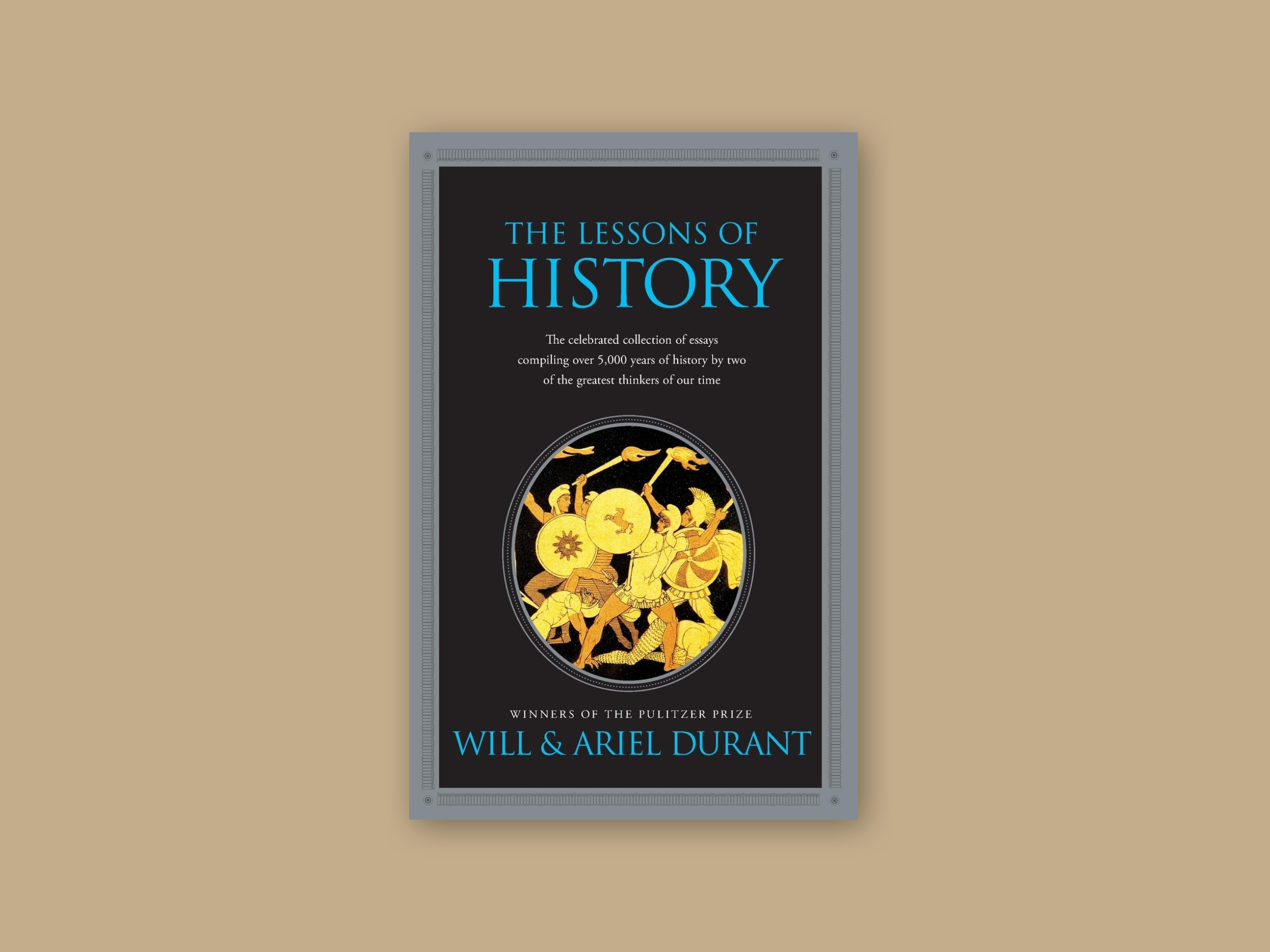
- The antidote: Read "The Lessons of History" by Will & Ariel Durant. It is a cold bucket of water on the fire of blind optimism. In just over 100 pages, it distills thousands of years of human folly to remind you that while you are busy planting trees, empires are rotting from within. It won't kill your vision—it will just make sure your roots are deep enough to survive the winter.
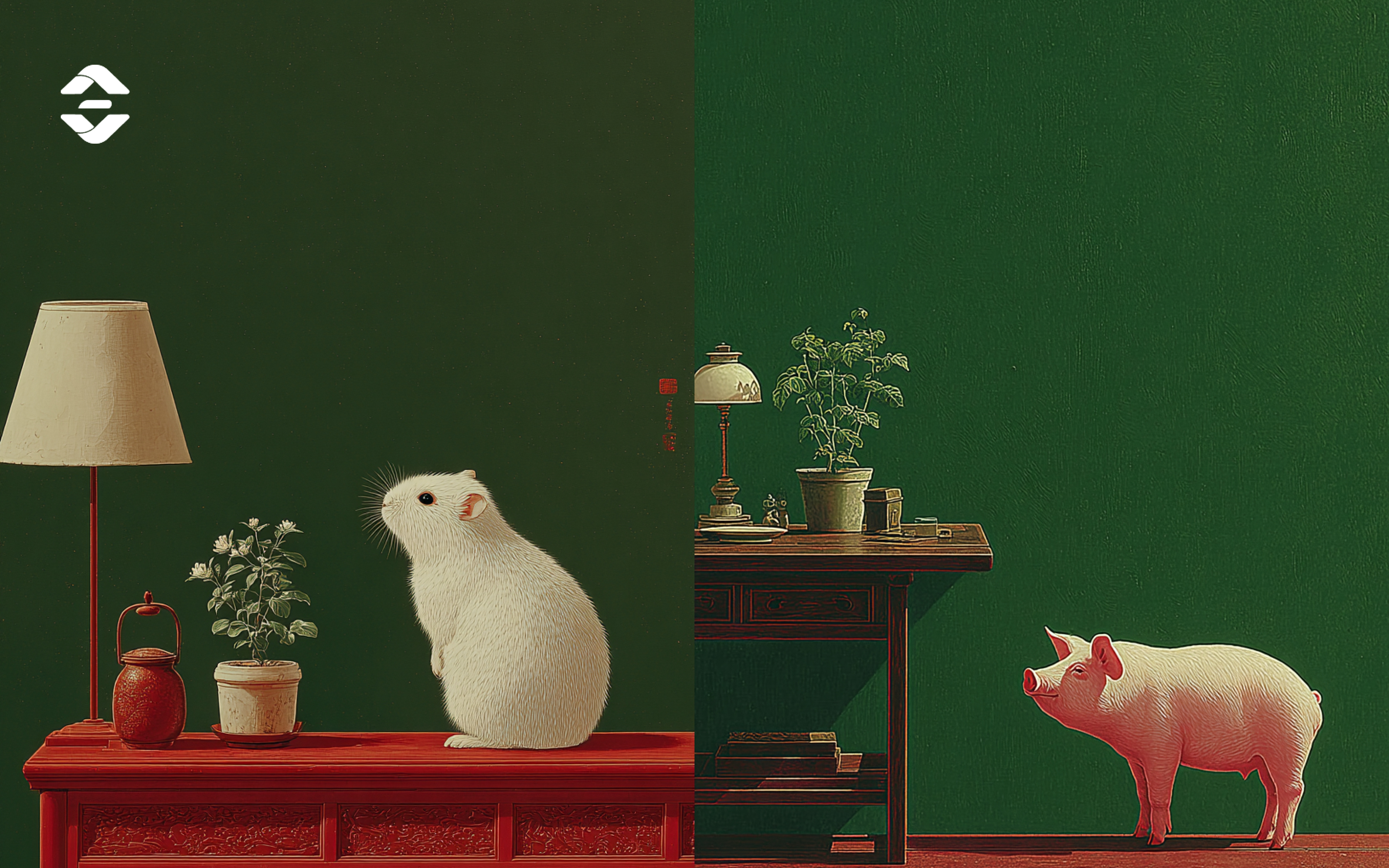
You flow. You sense the room. You make decisions based on feel, timing, and a deep awareness of risk.
- In daily life: You know when someone is lying. You sense when a party is about to get awkward. You navigate change better than anyone.
- The upside: You are the ultimate risk manager. You sense danger before it appears. In markets, you adapt quickly.
- The blind spot: You can be overly sensitive to noise. A bad news cycle can spook you into selling something solid.
- The bias: Recency bias. The last thing you heard sticks with you, even if it's not the whole picture.
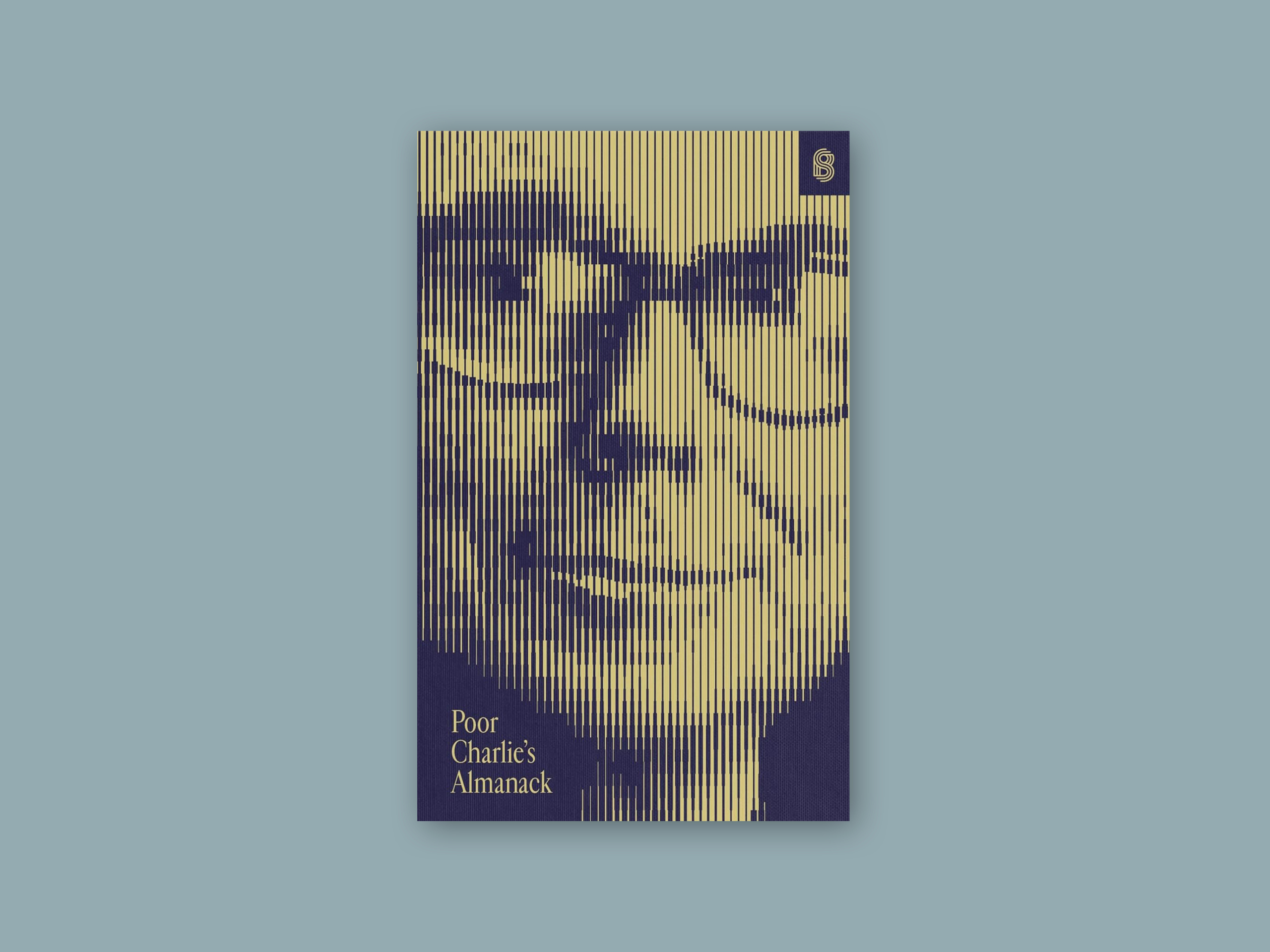
- The anchor: Read "Poor Charlie's Almanack" by Charlie Munger. Your gut is a beautiful instrument, but it needs a tuning fork. This book is a collection of mental models—latticeworks of logic—that give your intuition a backbone. It turns your "vibe" into a weapon. After this, you won't just feel the right move; you'll know why you felt it.
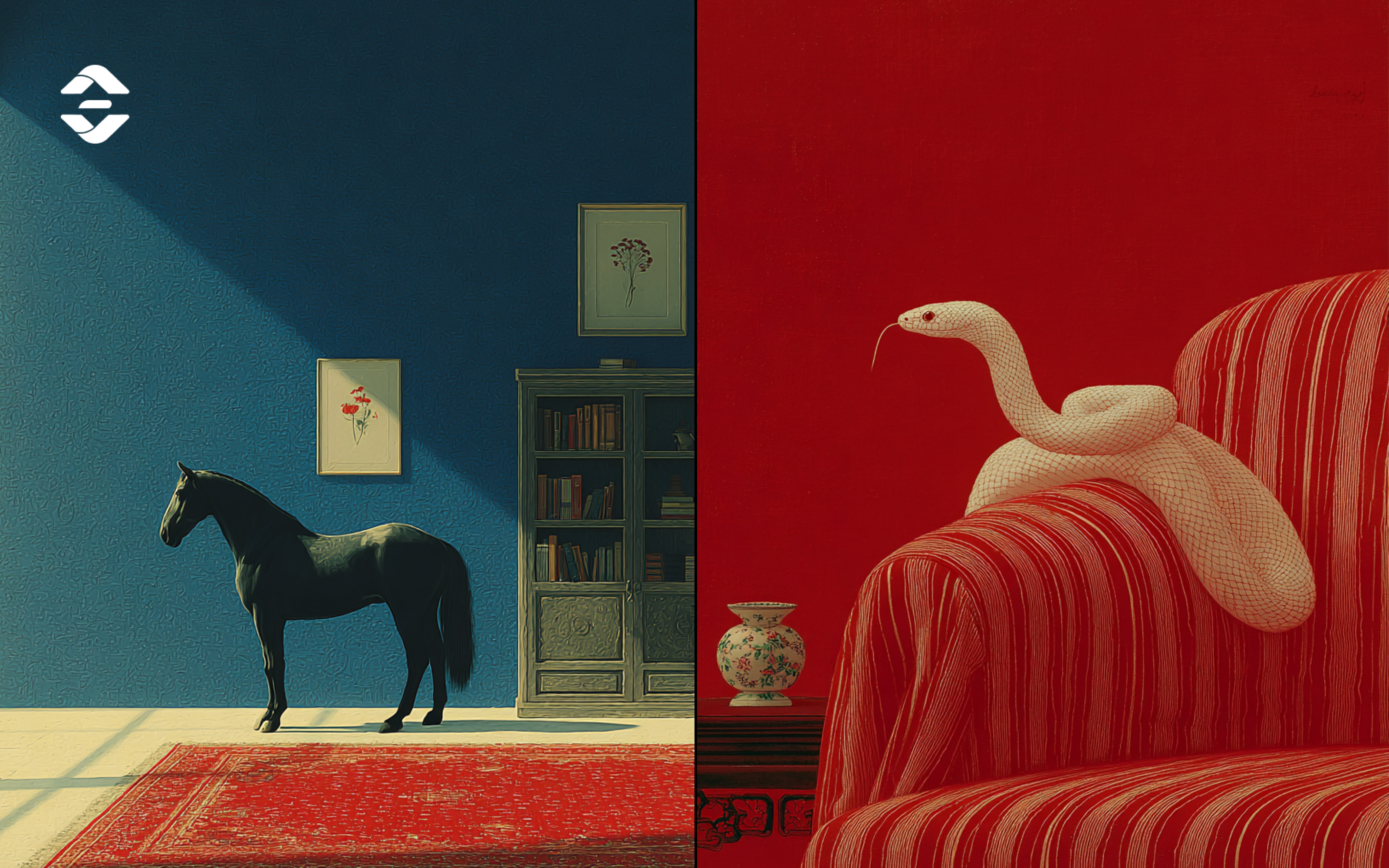
You move fast. You trust the spark. When you want something—a job, a person, a stock—you go for it before the feeling fades.
- In daily life: You're the friend who says "Let's just go" on a trip. You buy the jacket because it feels right. You switch careers because you're bored.
- The upside: You seize opportunities that others are still analyzing. In investing, you catch the wave early.
- The blind spot: You can confuse movement with progress. You might exit a position out of impatience, or enter one out of FOMO.
- The bias: Overconfidence. The rush feels like certainty.
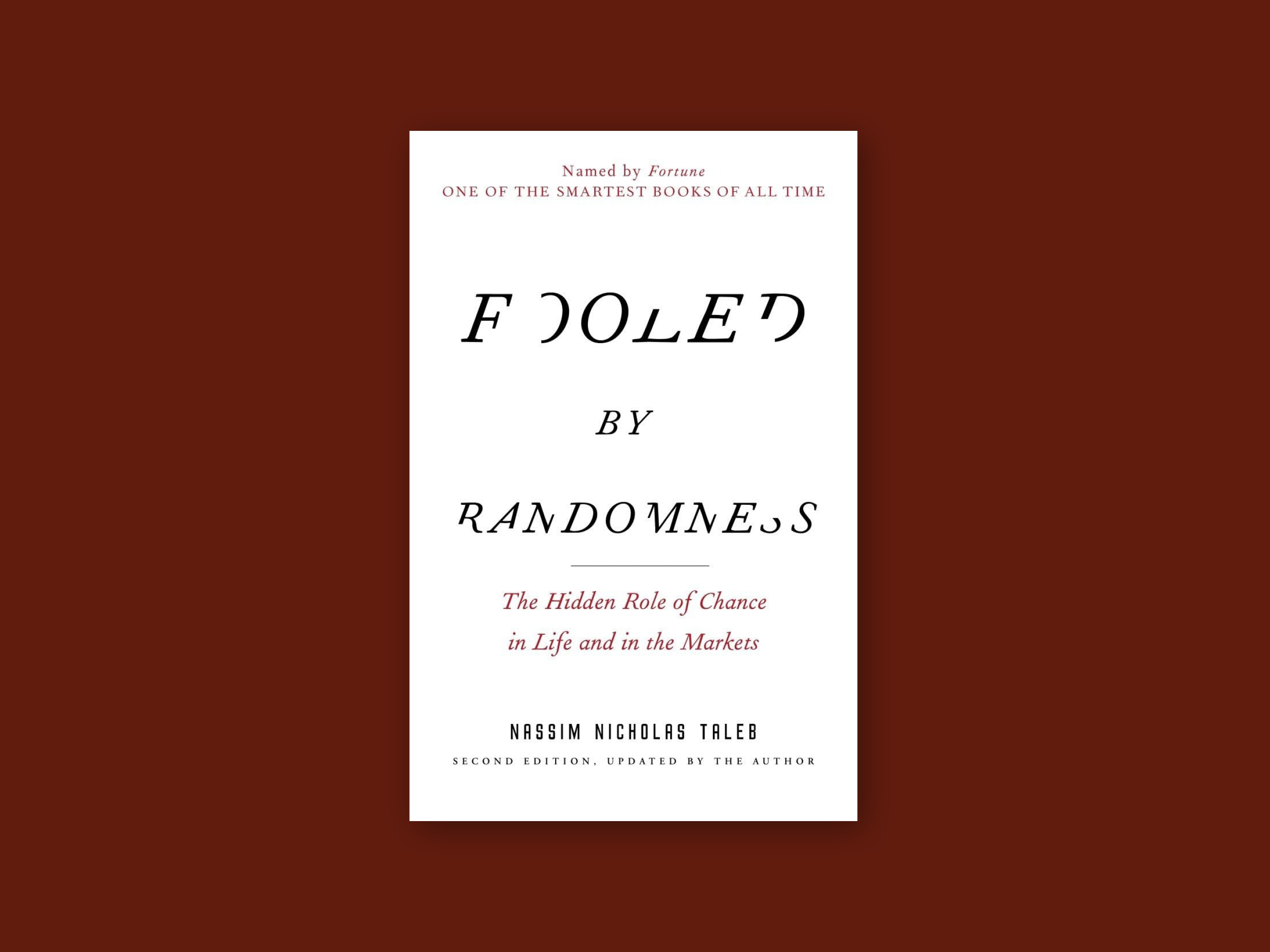
- Reality check: “Fooled by Randomness” by Nassim Taleb is recommended for Fire types. The book shows how much luck, not skill, drives success. It’s a reminder that a winning streak doesn’t always mean you’re brilliant—it could just be chance. Reading it won’t stop you from moving fast, but it will help you stay honest about why you succeed or fail.
You build slowly. You trust what lasts. For you, a decision isn't real until it's been stress-tested by time and logic.
- In daily life: You compare insurance plans like it's an Olympic sport. You're the rock in your friend group—the one everyone leans on because you don't crack under pressure.
- The upside: You protect capital. You don't panic-sell. You build wealth like you build relationships: brick by brick.
- The blind spot: You can miss the boat because you were waiting for the perfect weather. Analysis paralysis is your kryptonite.
- The bias: Loss aversion. The fear of a bad move can outweigh the thrill of a good one.
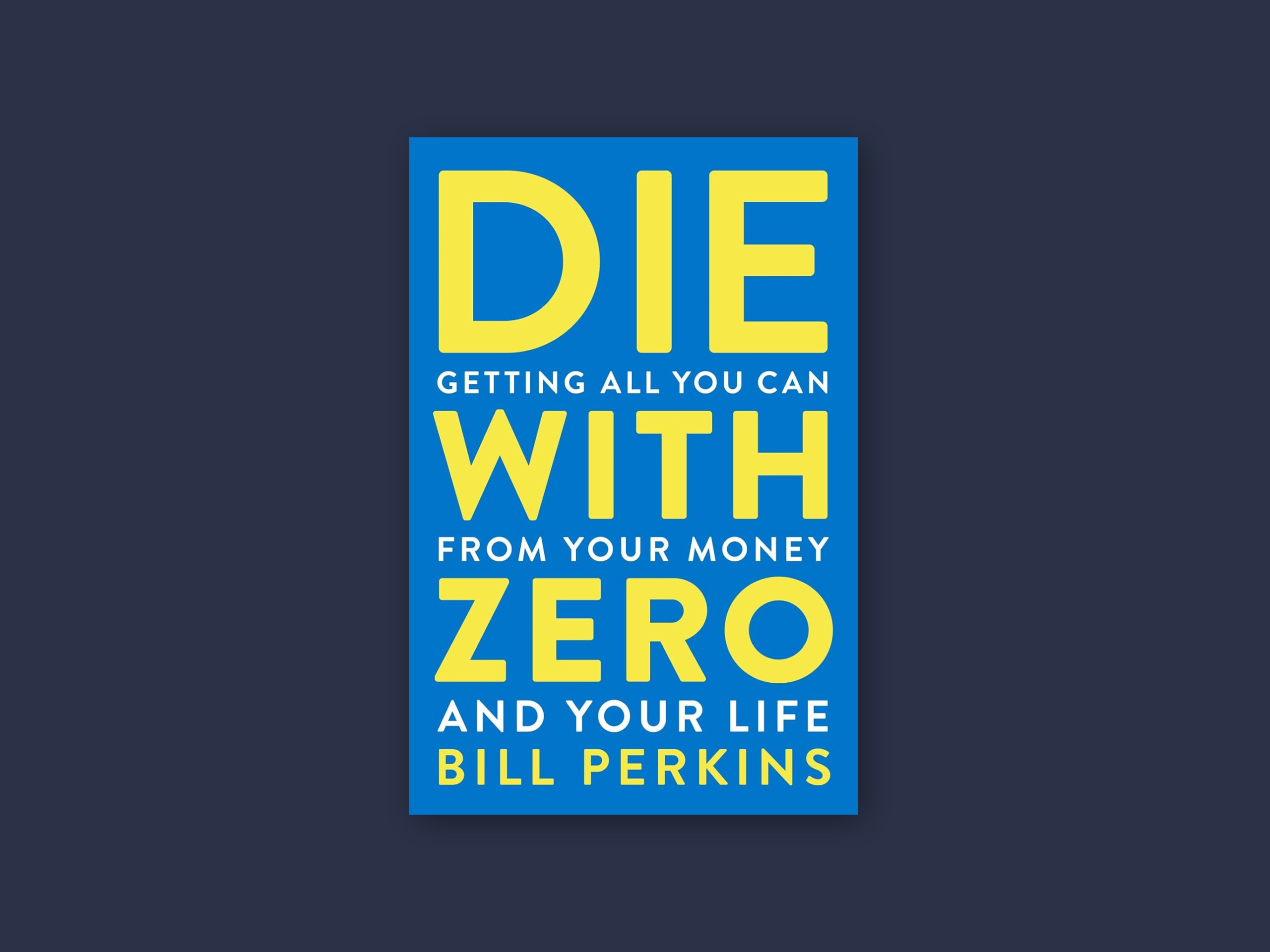
- The shake-up: “Die with Zero” by Bill Perkins challenges the saver's mindset. It argues that saving endlessly for the future can waste your life, because experiences-not just money-are what make life meaningful. The book pushes you to spend wisely on living, not just on accumulating. It may feel uncomfortable, but that's the point: it nudges you to balance caution with adventure.
Here is the truth: The world needs all of you.
A market without Fire would be stagnant. A world without Earth would be chaos. Metal brings the discipline, Water brings the wisdom, and Wood brings the vision of growth.
But the magic happens when you borrow from another element.
- If you’re Metal: Ask a Water person how they feel about the decision. The data matters, but so does the vibe.
- If you’re Wood: Share your vision with a Metal friend. Let them stress-test your optimism with structure. Growth needs roots as much as branches.
- If you’re Water: Write down one fact that would prove your gut is wrong. If you can’t find it, trust the flow. If you can, pause.
- If you’re Fire: Before you leap, find an Earth friend. Ask them, “What’s the risk I’m not seeing?” Wait one day. Let the spark cool.
- If you’re Earth: Set a timer. Give yourself permission to be wrong. Done is better than perfect.
Your element is a lens, not a limit. It reveals your natural rhythm, but the real strength lies in learning from others. When different perspectives meet, decisions gain balance, depth, and resilience.
Disclaimer: This feature draws inspiration from AI‑generated content and cultural storytelling. It is intended as reference material only and should not be taken as financial advice. Readers are encouraged to explore professional research and analysis before making investment decisions.



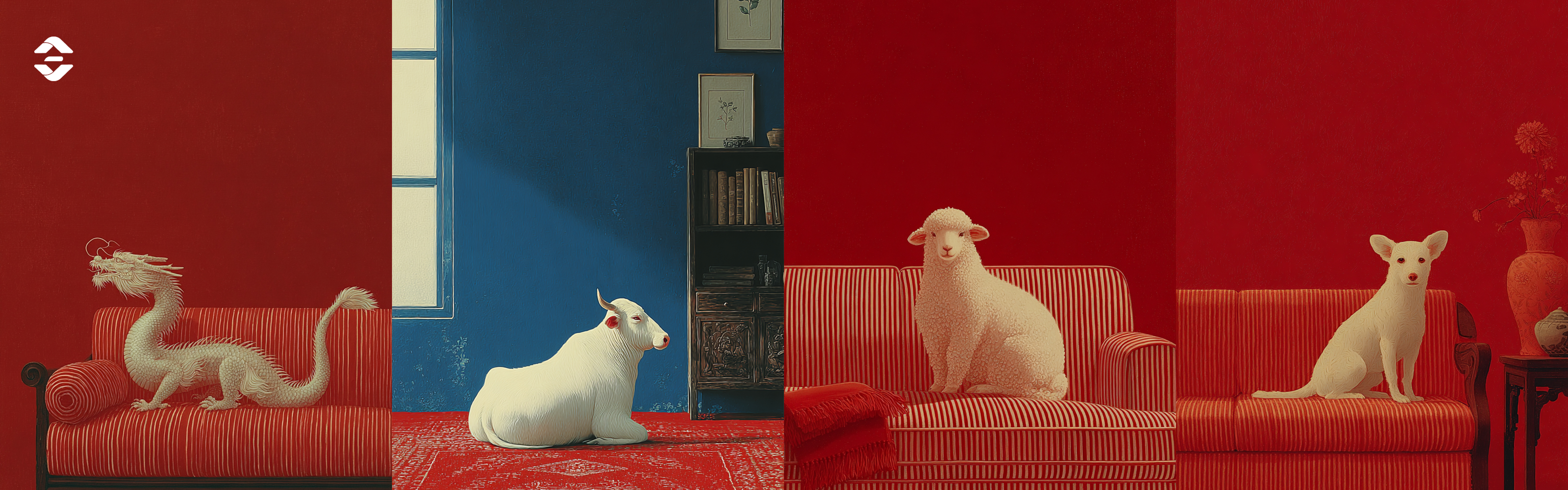 The Earth Element: The Calculated Anchors (Ox, Dragon, Goat, Dog)